TL;DR
- Check your model first: Suburban tank-style water heaters use an anode rod. Dometic/Atwood gas tank heaters and Suburban’s IW60 tankless heater do not.
- Inspect and replace: Suburban recommends a new rod every year, or when more than 75% of its material has been consumed. Use the correct part for your exact heater.
- Before removing the rod: Let the heater cool, switch off gas and electric heat, shut off both the pump and any connected city-water supply, and release pressure through a faucet.
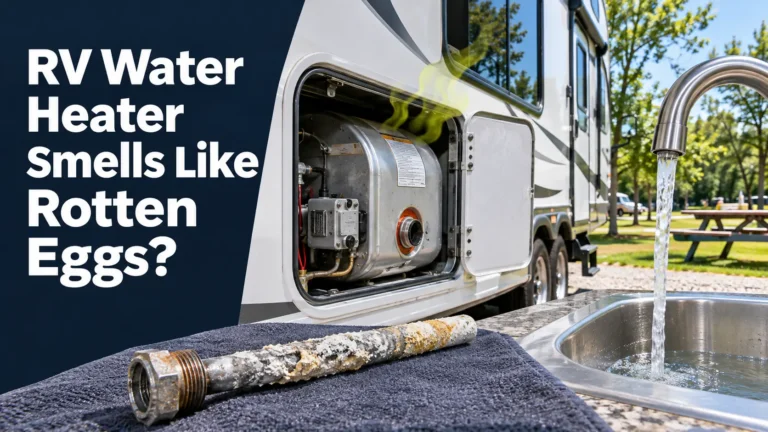
You opened the water heater door, found a hex plug, and now you’re wondering if it’s an RV water heater anode rod or just a drain plug. The rod is a sacrificial metal part that corrodes in place of a steel tank, so the tank itself lasts longer. Not every RV heater has one, though, and fitting a rod to the wrong heater can cause real damage.
Start by confirming your heater model. Below, you’ll find an anode replacement checklist, a wear guide, tank-flushing advice, and winterizing tips. The safety steps matter: hot water and trapped pressure can cause burns. Suburban recommends that repairs and maintenance be performed by a dealer or qualified technician (see its Suburban D, DE, and DEL water heater manual), so the steps below point out where to stop and call one.
How Do I Check and Replace a Suburban Anode Rod?
Important: These replacement steps apply to compatible Suburban tank-style heaters. Dometic/Atwood gas tank heaters and Suburban’s IW60 tankless model do not use an anode rod. If you’re unsure of the model, check the identification label before touching the drain fitting.
Plan to replace a Suburban tank-heater anode yearly, or earlier when more than 75% is consumed. Iron- or sulfate-rich water can shorten its life. For inspection, shut off the heat and all water supplies, allow the tank to cool completely, open a faucet to relieve pressure, and use a 1-1/16-inch thin-wall socket only when it’s safe to drain.
What You Need
- The correct replacement rod for your exact Suburban model
- A 1-1/16 inch socket and ratchet
- Thread sealant approved for potable water, such as Teflon tape
- A bucket, towels and a safe place for the drained water
Safety
- Surfaces on a Suburban heater can exceed 194°F in use, so the heater must be cool before you start. Suburban also warns of electric shock, so turn the power off at the breaker. Some DEL models have a second ON/OFF switch behind the door that must also be off. Hot water can come out of the tank when the rod comes out, so stand clear of the opening.
Don’t open a hot or pressurized heater. Let the water cool completely. Shut off the onboard pump and the campground/city-water spigot if connected, then open a hot-water faucet until the flow and pressure subside. Keep the faucet open while preparing to drain. If pressure remains, you cannot verify that the tank is cool, or your model’s instructions differ, stop and consult a qualified RV technician. Never loosen the anode rod to release trapped pressure.
- Turn off the electric power Switch it off at the breaker, and at the second switch behind the door if your DEL model has one.
- Shut off the gas Close the gas supply to the heater.
- Shut off all water supplies Turn off the RV water pump. If connected to city/campground water, close that supply at the spigot too; otherwise the heater may still be pressurized.
- Release pressure through a faucet Once the water is cool and all supplies are off, open a hot-water faucet until flow stops. Open the cold faucet as directed in your heater’s draining instructions and leave faucets open for draining.
- Remove the rod only when safe With the tank cool and depressurized, stand aside from the drain opening and use a 1-1/16-inch thin-wall socket. Water drains through the rod opening. Do not use the rod as a way to vent pressure.
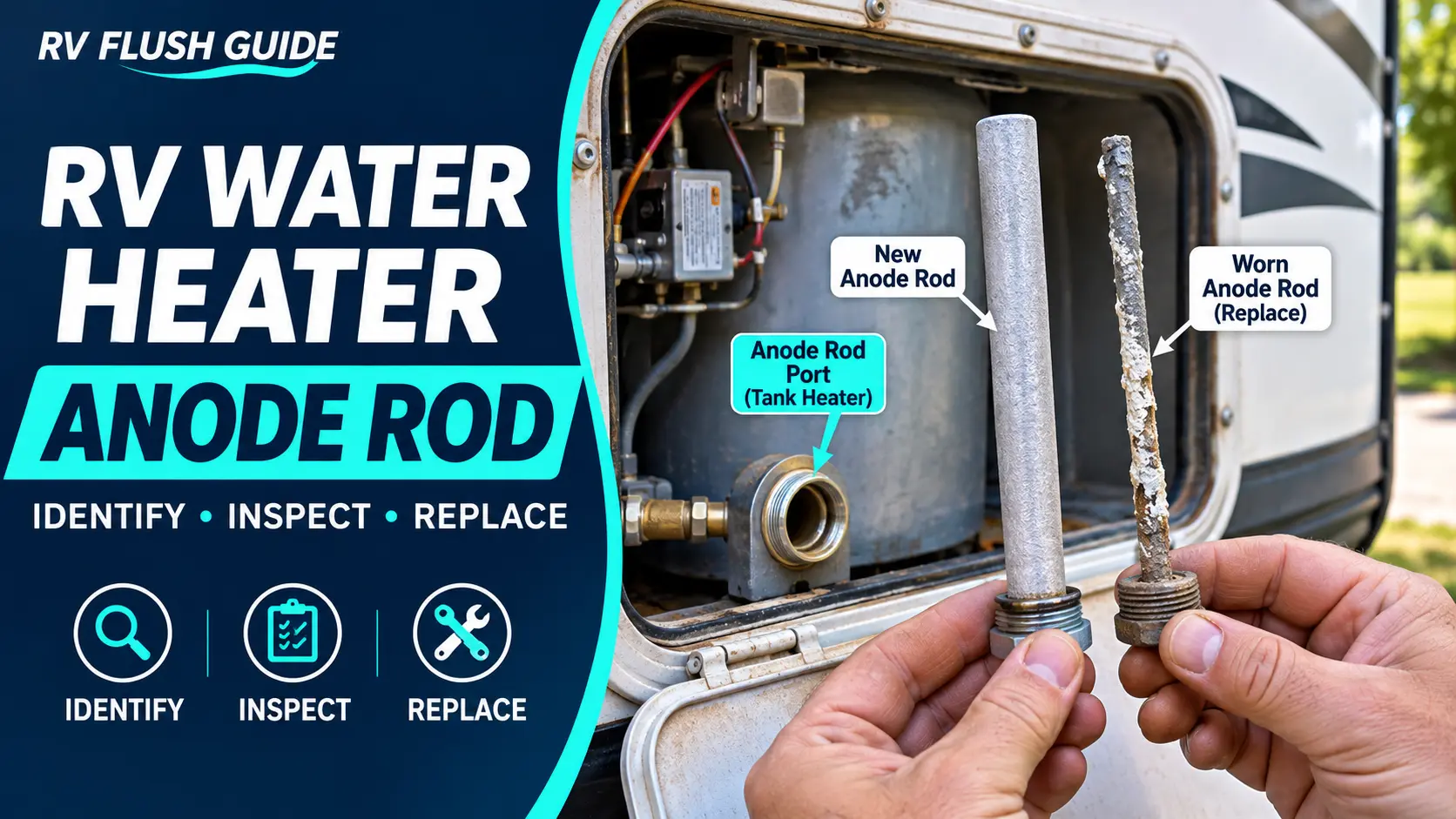
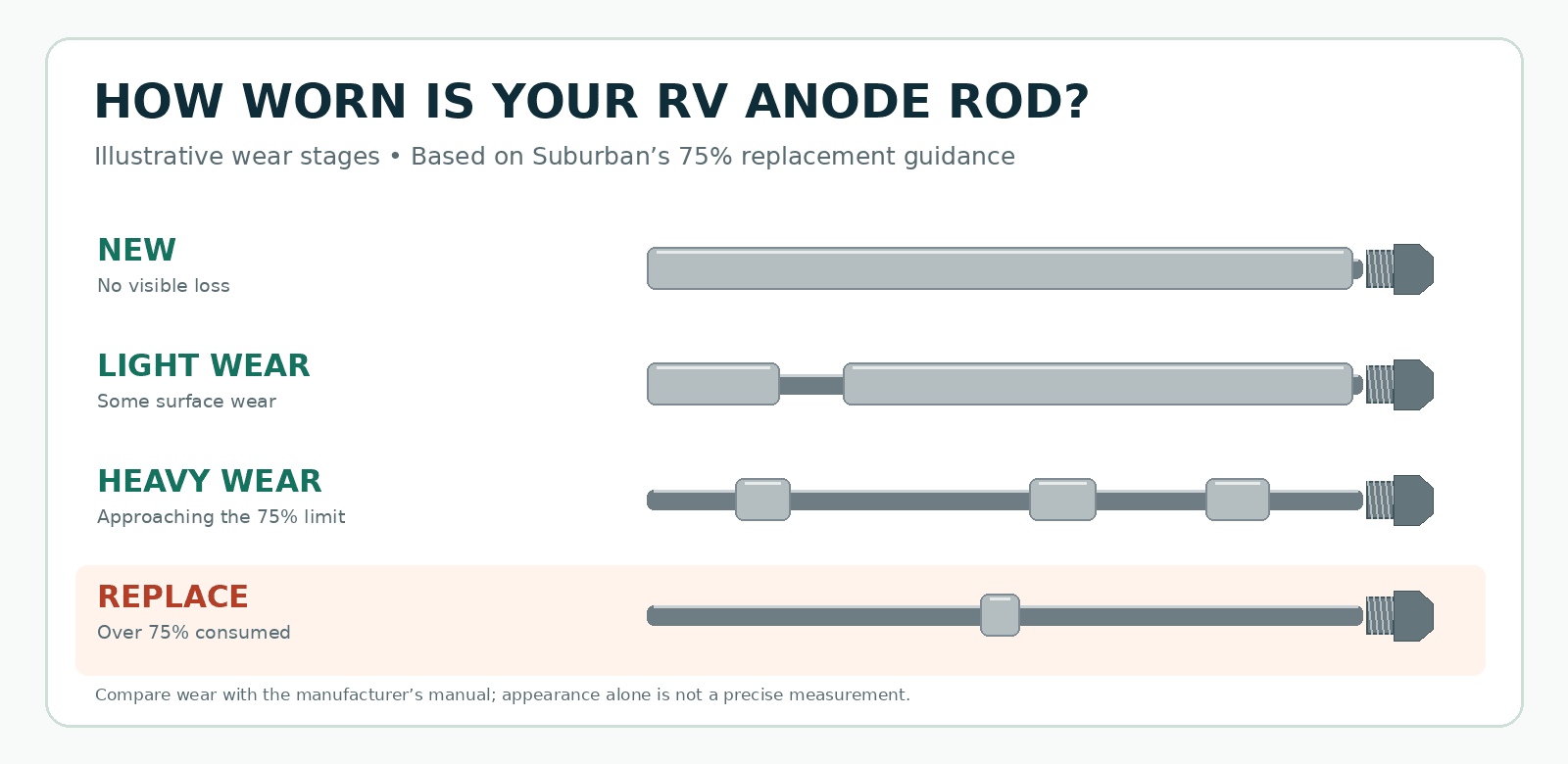
- Inspect the worn surface Compare the rod with the wear illustrations in Suburban’s manual and the visual below. Replace it if more than 75% is consumed, or at the annual interval recommended by Suburban. Don’t judge by discoloration alone.
- Seal the threads Wrap the new rod’s threads (or the old rod’s, if it passed inspection) with a potable-water thread sealant such as Teflon tape. Suburban says proper sealant does not reduce the rod’s protection.
- Reinstall it snugly Suburban doesn’t give a torque value, so don’t force it or guess. As a general caution, snug it without overtightening, and check your model’s manual.
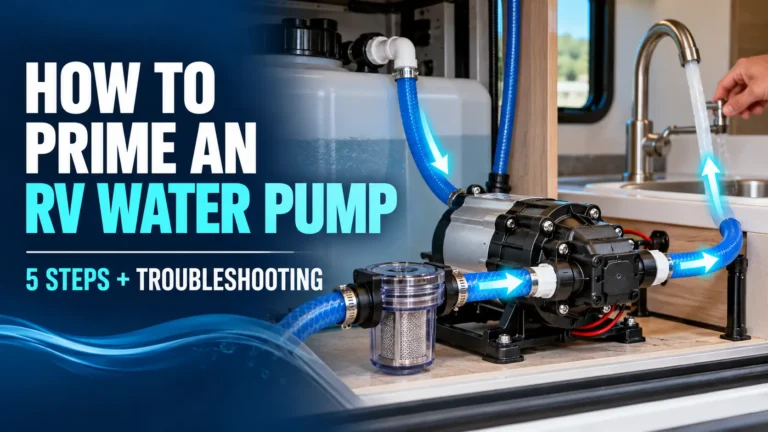
- Refill, purge air and check for leaks Restore the water supply and fill the heater completely. Run a hot-water faucet until water flows steadily without sputtering, then check the anode fitting for leaks. Only restore heating power or gas operation after confirming a full tank. If the pump won’t build pressure, use our pump-priming guide or water-pump troubleshooting steps.
Stop and get help
- Suburban says the tank must be full before the heater runs, and running it dry isn’t covered by the warranty. Also stop if the rod won’t turn, the threads look damaged, the rod fitting leaks after refilling, or the burner won’t light. If you see soot on the heater, shut it down and call a dealer or qualified technician.
Does My RV Water Heater Have an Anode Rod?
Tank type matters as much as brand. Suburban tank-style heaters generally have a porcelain-lined steel tank and replaceable anode rod. Dometic/Atwood gas tank heaters have aluminum tanks and no rod. Suburban’s Nautilus IW60 tankless heater also has no anode rod. Read the model label instead of assuming every heater from a given brand is the same.
| Brand | Tank and rod | What the maker says | What to do |
|---|---|---|---|
| Suburban tank heaters | Porcelain-lined steel tank, replaceable rod | Replace yearly or when over 75% consumed | Inspect and replace the rod |
| Dometic and Atwood gas heaters | High-strength aluminum tank, no rod | Do not use aftermarket rods | Follow model-specific draining and cleaning instructions; do not add a rod |
| Suburban Nautilus IW60 (tankless) | Tankless design, no anode rod | IW60 does not use any anode rod | Follow IW60 manual for maintenance and winterizing |
Dometic’s official guidance warns that adding an aftermarket anode to its aluminum tank can cause damage. For tankless compatibility, see Suburban’s IW60 FAQ. If you have another brand or heater type, check the exact owner’s manual.
Safety
- Don’t drop an aftermarket rod into a Dometic or Atwood tank. Dometic says it can damage the tank, and its page carries an explosion and burn injury warning. Altering the heater also voids the warranty.
If you can’t tell which brand you have, don’t guess from the look of the plug. Find the model and serial number on the heater’s label, or ask the maker or a dealer. For any other brand or heater type, check that heater’s manual or ask its maker whether it uses a rod.
What Does an RV Water Heater Anode Rod Do?
The rod is a sacrificial metal part, magnesium or aluminum in a Suburban heater, that corrodes in place of the steel tank. Suburban says it takes the corrosive action of hot water so the tank lasts longer. As the rod wears away, protection drops. Running the heater without it voids the tank warranty.
Think of the rod as the part that’s meant to wear out so the tank doesn’t. Suburban says water high in iron or sulfate wears the rod faster, which is why those owners should check it more often.
How Often Should You Replace an RV Anode Rod?
Suburban recommends replacing the rod yearly and also says to replace it once more than 75% has been consumed or lost weight. How fast it wears depends on your water and how you use the RV. Iron or sulfate-rich water wears it faster, so inspect it more often.
Suburban also says draining the tank whenever the RV isn’t in use extends rod life, so avoid long stretches with water sitting in the tank. You drain the water heater by removing the rod, using steps 1 to 5 in the replace section above. If you’re storing the RV, you’ll usually want to drain the fresh tank too.
You’ll see other sites give different replacement rules. For a Suburban heater, follow Suburban’s own figures.
How Do You Flush Sediment From the Water Heater Tank?
Removing the rod drains the heater, but it may not wash out sediment from the bottom. Suburban explains that mineral buildup can slow heat transfer and damage the tank lining over time. Inspect for sediment when you check the anode rod, and follow your model’s approved flushing procedure.
- Start safely: Turn off gas and electric heat, let the tank cool, disconnect both pump and city-water pressure, and release pressure at a faucet before draining.
- Drain and flush: After draining through the anode opening, use only the rinse/flushing method and tools permitted by your heater manufacturer. Keep water away from the electrical and burner components; never scrape inside the tank with metal tools.
- Finish: Check that the water and loosened sediment have drained, reinstall the correct anode with potable-water-safe thread sealant, then refill fully, purge air and inspect for leaks before using the heater.
Suburban points owners to a dedicated flushing demonstration in the maintenance guide (pages 8–9). If you’re unsure how to rinse the tank safely, have a qualified RV technician do the service.
Magnesium or Aluminum: Which Rod Should I Buy?
Suburban’s tank-heater guide mentions both magnesium and aluminum anodes but doesn’t provide a universal rule for choosing between them. Match the replacement rod to the exact model and serial number, ideally using the maker’s approved parts information. Never fit one to a Dometic/Atwood gas tank heater or a tankless model without a manufacturer-approved anode.
Suburban lists both materials but gives no pick-one rule, so don’t assume one is better. Some sellers and owners suggest certain materials for sulfur smells. Suburban’s own sulfur steps don’t include a material swap.
Use this checklist before you order:
- Confirm the brand is Suburban.
- Find the model and serial number on the heater’s label.
- Match the rod to that model’s parts listing from Suburban or a dealer.
- Don’t rely on a retailer’s product title alone.
- Don’t substitute an add-on part. Suburban warns against non-Suburban accessory parts, such as an add-on electric element, in place of the rod. It says they may be unsafe and void warranties.
Retailer listings show different rod lengths and thread sizes, so match your exact model rather than a generic size.
Beyond the tools in the replace section above, you may also need:
- A 3/4 inch drain plug (for winterizing without a bypass)
- A water heater bypass kit, if your RV doesn’t have one
What Causes a Rotten Egg Smell in RV Hot Water?
Suburban’s tank-water-heater guide describes a sulfur-like odor from some water supplies and recommends cleaning the water system before considering anode rod replacement for a persistent odor. For a hot-versus-cold diagnosis and brand-specific fixes, see our RV hot-water rotten-egg smell troubleshooting guide. An unexplained smell should not automatically be assumed harmless: if you suspect propane or another gas leak, follow the gas-safety steps below rather than treating the water.
The manufacturer guidance needs to be followed for the exact RV plumbing system:
Before using bleach or another sanitizer
Suburban’s guide calls for chlorinating and thoroughly flushing the water system when addressing sulfur odor. However, its wording does not clearly identify which tank a reader should dose in every RV layout. This guide deliberately does not give an amount or tell you to add bleach to a particular tank. Never pour bleach into the anode-rod opening based on these instructions. Follow the directions for your specific RV’s fresh-water system and water-heater model, or ask a qualified RV service technician to handle sanitation. Never mix sanitizers or other cleaning chemicals.
If the odor returns, investigate your water source as well as the heater. For general background, see how to sanitize an RV fresh water tank and our guide to RV water filters. These articles don’t replace your heater and RV manufacturers’ specific cleaning instructions.
For Dometic or Atwood gas water heaters, do not assume Suburban’s cleaning or anode procedures apply. Follow your model-specific manual or consult the manufacturer or a qualified technician.
Safety
- Never mix bleach with other cleaners, keep the area ventilated, and flush all the chlorine out before you drink the water.
Stop and get help
- If the smell is gas-like rather than sulfur, don’t treat it as a water problem. Follow Suburban’s gas-smell steps: get everyone out, shut off the gas at the source, touch no switches, start no engine or generator, and call a gas supplier, a qualified technician, or the fire department.
How Do You Protect the Anode Rod When Winterizing With Antifreeze?
Suburban says antifreeze can be very corrosive to the anode rod, causing early failure and heavy sediment. Use the bypass kit to close the water heater off and drain it. With no bypass, remove the rod, store it for the winter, and fit a 3/4 inch drain plug.
Here’s how to choose:
- You have a bypass kit: Drain the heater, leave it in the bypass position, and add antifreeze to the rest of the system.
- You have no bypass kit: Remove the rod, store it, and fit a 3/4 inch drain plug.
Suburban also says that if freezing is possible, you should drain the system or fill it with RV-approved antifreeze. If you’re also doing the toilet, see how to winterize with antifreeze.
In spring, put the rod back with thread sealant, or confirm it’s in place, before you fill and heat the tank. Never fire the heater without water in the tank.
When Should You Stop and Call a Technician?
For safety, Suburban recommends that repairs and maintenance be handled by a dealer or qualified service technician. Stop the job and get professional help if any of the following happens:
- You smell gas.
- You see soot on the heater.
- The rod won’t turn, or the threads look damaged.
- The rod fitting leaks after you refill the tank.
- The burner won’t light, or the red RESET light shows after three failed ignitions, which means lockout.
- You don’t know the heater’s model.
- You’re unsure how to release pressure safely.
RV Water Heater Anode Rod FAQs
Does every Suburban water heater need an anode rod?
No. Suburban’s traditional tank-style heaters use anodes, but the Suburban Nautilus IW60 tankless model does not. Check your model before buying a replacement.
Can I run an RV water heater without its anode rod?
Don’t operate a Suburban tank heater without the specified anode. The rod helps protect the steel tank, and Suburban warns that running the heater without proper anode protection voids its tank warranty.
What does a worn anode rod look like?
As it wears, the sacrificial metal becomes thinner and uneven, sometimes exposing the inner core. Use Suburban’s wear diagrams rather than judging by color alone. Replace it annually or once more than 75% has been consumed, whichever comes first under Suburban’s guidance.
Does a Dometic or Atwood heater need an anode rod?
No. Dometic’s guidance says its Dometic and Atwood gas tank water heaters use aluminum tanks and must not be fitted with aftermarket anode rods. Follow the correct model’s maintenance instructions instead.
Conclusion
Suburban tank-style heaters use an anode rod, while Dometic/Atwood gas tank heaters and Suburban’s IW60 tankless model don’t. For a Suburban heater, replace the rod yearly or once it’s over 75% consumed, and protect it from antifreeze by using the bypass or pulling the rod for the winter. If the hot water smells like rotten eggs, consult the manufacturer guidance for water-system cleaning; do not improvise chemical dosing or use the anode opening as an access point.
Your next step is to check the brand and model on your heater door. When you’re ready to get the water running again in spring, follow the steps to de-winterize the plumbing.